

ERP systems support sustainable sourcing practices and end-to-end transparency for clean, traceable ingredients.




Summary:
In 2026, AI, automation, the cloud, and ESG/compliance become central to the process manufacturing industry. The ERP system transforms into a platform for streamlined, audit-capable processes: data from labs, production, and logistics converge, algorithms provide forecasts and insights, and sustainability becomes reliably reportable. Yaveon 365 directly translates these trends into everyday practice.
In 2026, many companies in the process manufacturing industry face the same challenge: how can growing demands for efficiency, compliance, and sustainability be met without making daily operations more complex? The answer almost always leads to the ERP system - the central platform for processes, data, and decision-making.
In this article, we explore the key ERP trends for 2026. We explain what they mean for your daily work and how providers like Yaveon translate these trends into solutions that notably ease your organization's workload and future-proof your operations.
By 2026, artificial intelligence and automation will be integral components of modern ERP landscapes. Algorithms will analyze data from purchasing, production, quality, and logistics to identify patterns, forecast needs, and highlight risks before they become apparent in daily operations.
For companies in the food, pharmaceutical, chemical, medical device, biotech, and cosmetics sectors, this means that repetitive tasks—from demand planning and standard bookings to approval processes—can be significantly streamlined. This allows teams to focus on strategic decisions that drive the business forward. The prerequisite is a clean data foundation and a system that makes AI results understandable, verifiable, and auditable.
In practice, solutions that integrate AI directly into existing processes, rather than offering it as an additional tool alongside the ERP, are gaining traction. In ERP systems like Yaveon 365, based on the Microsoft ecosystem, copilot and agent scenarios are used, such as:
AI enhances existing workflows and significantly eases decision-making, all without compromising process validation, traceability, and auditability.
The cloud has long been a reality in the ERP environment. Continuous updates, scalable resources, and integrated security mechanisms ensure that systems remain up-to-date and can adapt to new requirements without significant disruptions to daily operations. For companies, the question is less about "if" and more about how to leverage cloud capabilities to simplify processes, support validation, and create space for innovation.
At the same time, many companies have diverse system landscapes operating in parallel. It is crucial that your ERP seamlessly connects this landscape and addresses topics like GxP, lot tracking, and data sovereignty from the outset. Many projects reveal that systems like Yaveon 365 act as a central hub where data from LIMS, MES, DMS, EDI platforms, and other specialized systems converge. Information flows seamlessly from the lab through production to logistics, and decisions are based on a consistent, current view of reality—regardless of the original source of the information.
Those who fully embrace cloud solutions establish a technological foundation to confidently and efficiently meet future challenges, whether dealing with new regulatory requirements, growth, or the implementation of additional digital processes.
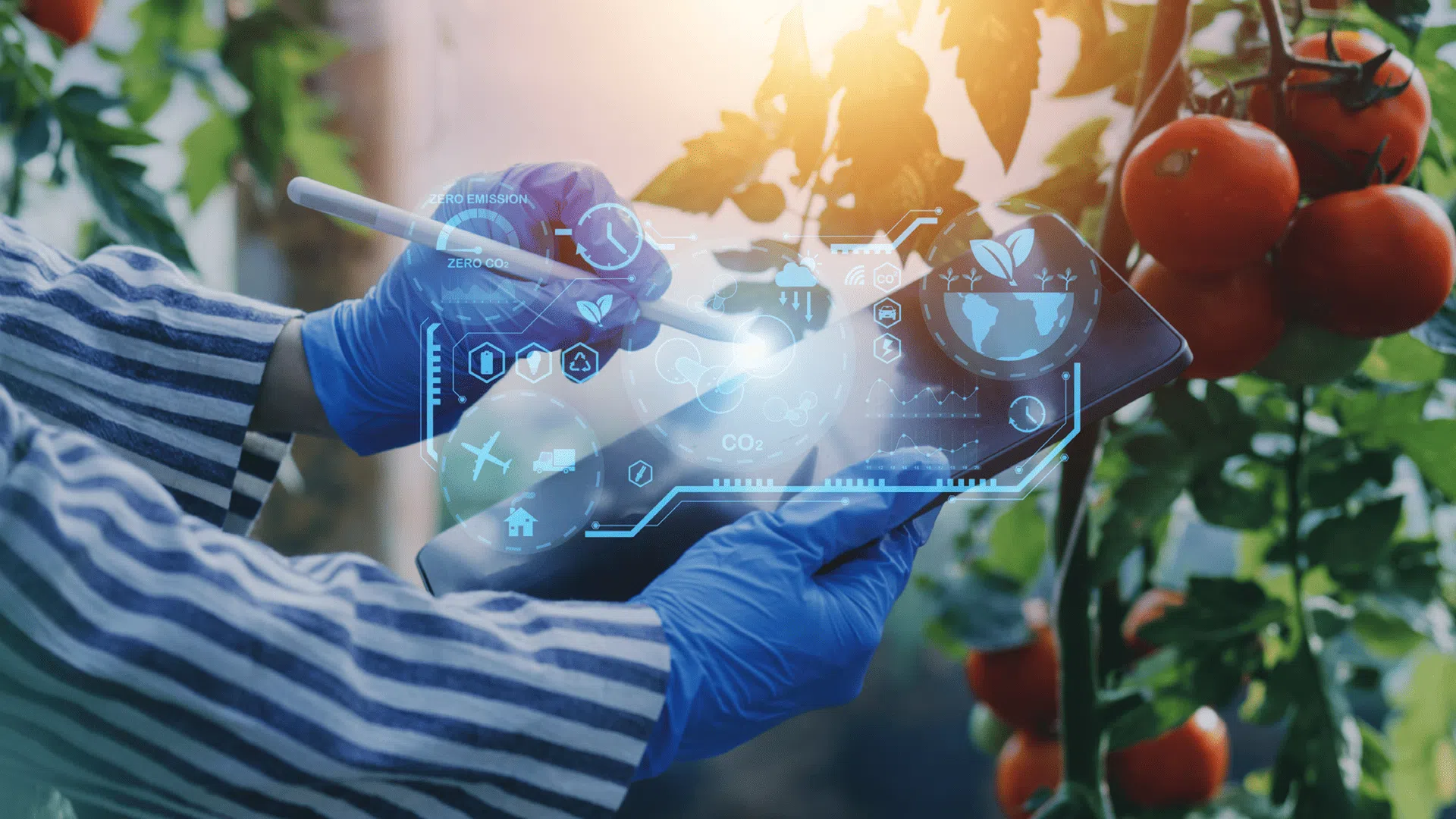
Sustainability and ESG are becoming integral parts of corporate management by 2026. CO₂ balances, resource evaluations, supply chain verification, and standardized reports cannot be reliably represented in isolated solutions. The ERP system becomes the backbone for these tasks as it already contains much of the relevant data - from raw materials and formulations to batches, energy consumption, transportation routes, and quality metrics.
At the same time, regulatory requirements are increasing. Whether GxP, industry-specific standards, or new data security regulations: ERP systems must ensure role-based access, comprehensive logging, and audit-proof documentation. Additional digitalization steps like e-invoices and electronic data formats speed up processes and reduce errors, provided they are consistently represented in the ERP system.
Industry-specific solutions like Yaveon 365 embed these requirements directly into the standard, including:
These features are based on the practices of the process manufacturing industry. New features are developed in close collaboration with users, ensuring the solution keeps pace with the industry's professional, regulatory, and technological developments.
The ERP trends for 2026 highlight a crucial shift: it's no longer just about keeping systems running. It's about how effectively your organization utilizes data, how streamlined your processes truly are, and how securely you can respond to future demands. AI, cloud, ESG, and compliance are not ends in themselves but building blocks for greater stability, transparency, and innovation within your company.
Choosing integrated, validated, and industry-specific ERP solutions – such as Yaveon 365 within the Microsoft ecosystem – lays the foundation for an ERP that not only keeps pace with the times but actively shapes the future of your industry. 2026 will be exciting. Let's capitalize on the opportunities presented by current developments and transform your ERP into a system that not only adapts to changes but actively drives them.
 Sustainability in the cosmetics industry – Beitrag öffnen
ERP systems support sustainable sourcing practices and end-to-end transparency for clean, traceable ingredients.
 Sustainability in the food industry – Beitrag öffnen
How an ERP system for food production helps to reduce waste, lower CO₂ emissions and promote sustainable processes.
 How to validate without stumbling blocks – Beitrag öffnen
This article shows you how to navigate the challenges and pitfalls of computer system validation with confidence.