



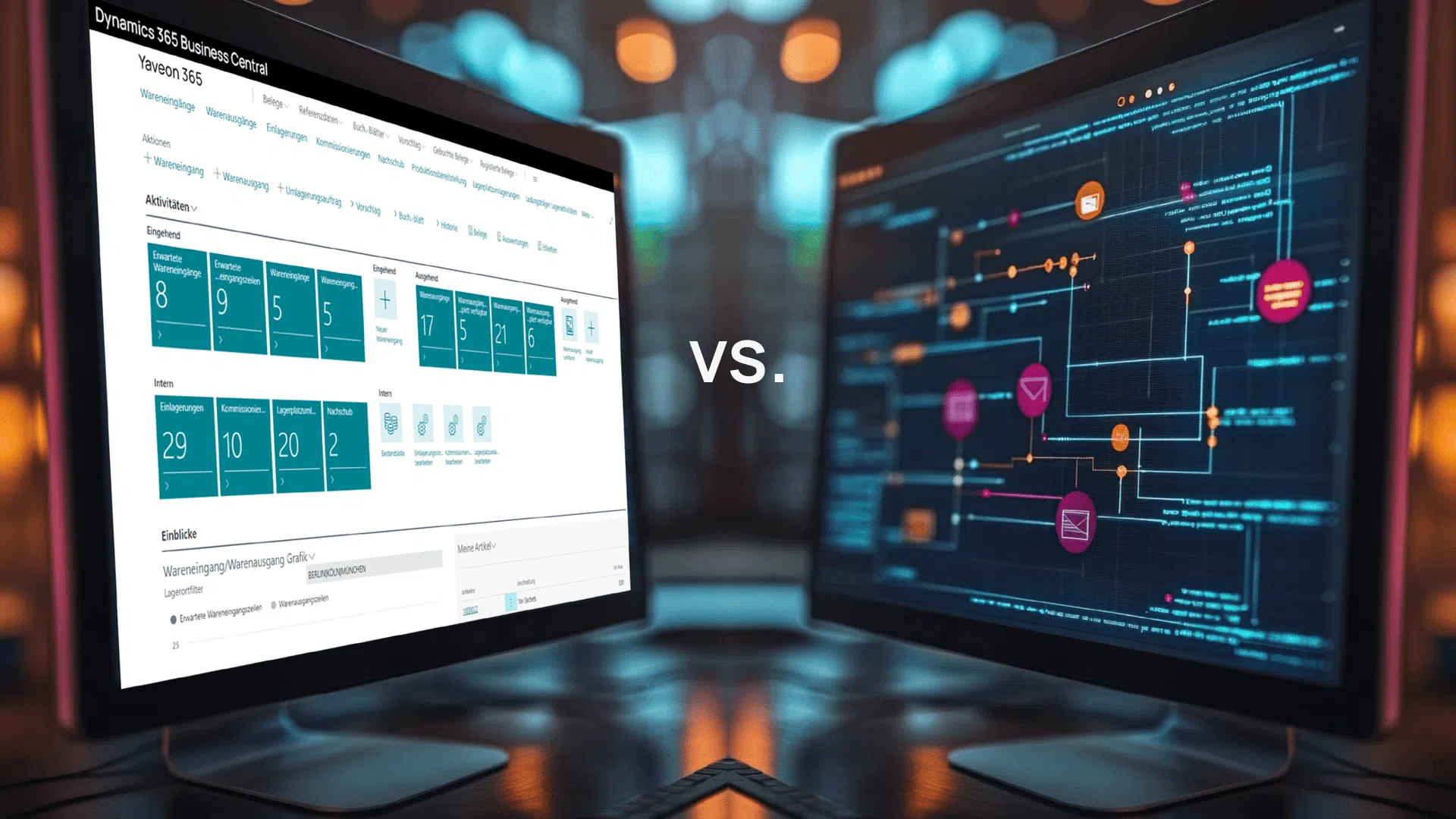
Standard or custom ERP? This article explains which option fits which situation and when industry-specific ERP is the better solution.

An ERP requirements document creates clarity, reduces risks, and makes it easier to choose the right system

Estimate ERP costs realistically: which factors matter and where typical budget traps arise.

Fewer data silos, faster recalls, better KPIs: how traceability enables clear processes and audit‑ready operations in process manufacturing.

Inventory under control: ABC/XYZ analysis, safety stock & reorder point, KPIs, and a 7-step implementation guide. Plus a software perspective: Yaveon 365.

Manufacturing planning explained: tasks, KPIs, step-by-step guide, and more. What the process manufacturing industry needs to know.

Demand planning for the process industry: types, methods, and practical examples for production, purchasing, and logistics.

Structured guide to ERP selection: criteria, costs, and typical mistakes for the process industry.

How our ERP solution automates demand planning and delivers maximum planning reliability.

Learn how an ERP system helps you comply with cosmetics regulations and turn compliance into an opportunity.

How ERP systems in the medical device industry reduce costs through real-time monitoring and process optimization.

How traceability in the cosmetics industry is evolving from a compliance requirement into a strategic advantage.

ERP systems support sustainable sourcing practices and end-to-end transparency for clean, traceable ingredients.

ERP systems enable seamless traceability in the pharmaceutical industry while enhancing overall operational efficiency.

Learn how digital recipe management safeguards quality and compliance in the pharmaceutical industry.

Future-proof chemical production: precise recipes, controlled characteristics and seamless lot tracking.

Learn how ERP simplifies hazardous materials compliance while securing critical processes across your operations.

How seamless lot tracking empowers biotech companies with maximum transparency and regulatory compliance.

How modern ERP systems make hazardous substance management efficient and easy to handle.
How optimized processes increase efficiency and strengthen compliance in biotech research and development.

In batch production, a defined quantity of products is manufactured in a single production process.

Detailed scheduling is the process of planning tasks and resources in detail – including timelines and resource allocation.

Production control compares planning, target, and benchmark data with actual data from past periods.

How material requirements planning centralizes essential materials and components for reliable production.

Discover what catch weight is, how it’s used in the process industry, and which challenges and solutions play a role.

How ten proven methods optimize production with clear definitions, benefits, approaches, and implementation.

Explore the top ERP integration opportunities and what to watch for to ensure a smooth rollout today.

How an ERP system for food production helps to reduce waste, lower CO₂ emissions and promote sustainable processes.
See how quality control keeps food safe and consistent through testing and regulatory standards.

Traceability means being able to track food throughout its entire life cycle. We explain how you can guarantee this.

Change control in the pharmaceutical industry: process, rules, and implementation in your ERP system.

Discover how digital transformation trends reshape the cosmetics industry and how software enables their benefits.

What are the current trends in digitalization in the biotechnology industry – and how can software help?

From digital twins to AI – discover the technologies that are driving digitalization in the chemical industry.

How digital transformation offers opportunities and challenges in the highly regulated pharma industry.

Efficient production planning is key. Discover the tasks, objectives, and methods that drive your production.

Digital Transformation in medical technology is on the rise. We highlight the latest trends, and challenges.